
Mechanical Testing
ASTM Tensile & Hardness Testing Lab
Mechanical Testing for Metals, Plastics & Composites
Get accurate tensile strength, yield strength, hardness, and mechanical performance data from a certified materials testing laboratory. We provide ASTM tensile testing, hardness testing, flexural testing, and anchor pull testing using advanced universal testing machines and precision hardness testers.
- Fast turnaround testing
- Certified ASTM test methods
- Engineering-grade test reports
- Serving manufacturing, aerospace, construction & energy industries
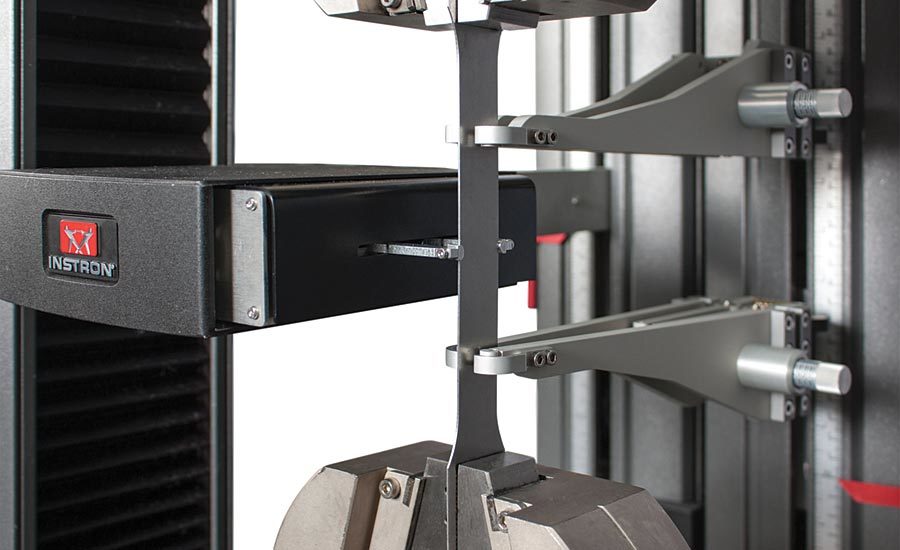
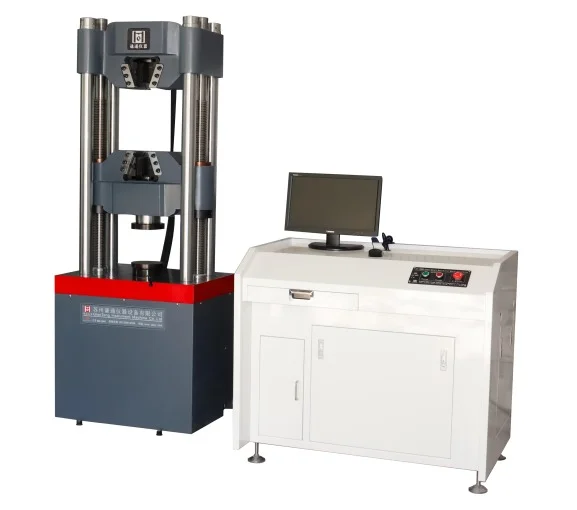
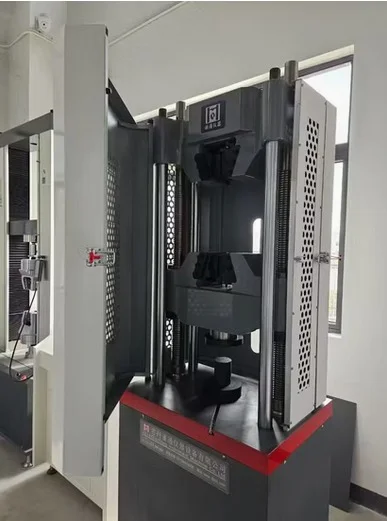
Mechanical Testing Services
Our laboratory provides advanced mechanical testing services to evaluate material strength, durability, and performance under real-world conditions. Using precision equipment and internationally recognized testing standards, we help manufacturers, engineers, and product developers verify material performance, structural integrity, and regulatory compliance.
Our testing capabilities cover metals, alloys, polymers, elastomers, composites, fasteners, and engineered materials using ASTM, ISO, and industry-recognized standards.
Why Mechanical Testing Matters
- Design safer components
- Meet regulatory requirements
- Improve material selection
- Validate heat treatment
- Prevent catastrophic failures
- Confirm supplier quality
- Support warranty and liability claims
Need urgent Testing?
Our engineers respond Quickly
Our Mechanical Testing Capabilities
- Tensile Testing (ASTM E8/E8M, ASTM D638, ASTM D412, ASTM D3039)
Our laboratory provides ASTM tensile testing services to evaluate the mechanical performance of metals, plastics, elastomers, and composite materials using precision Universal Testing Machines (UTM). Testing performed in accordance with ASTM E8/E8M, ASTM D638, ASTM D412, and ASTM D3039 determines key mechanical properties including ultimate tensile strength (UTS), yield strength (0.2% offset), percent elongation, and elongation at break. These measurements generate a complete stress–strain curve, allowing engineers to assess material load-bearing capacity, ductility, deformation behavior, and fracture limits under uniaxial loading, providing critical data for design validation, quality control, and material performance evaluation.
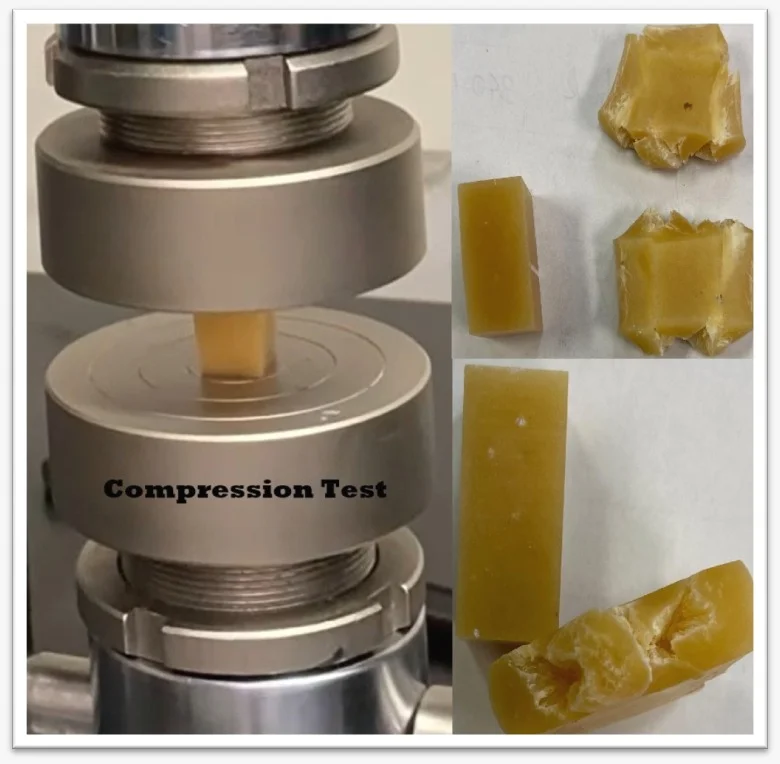
- Compression Testing (ASTM E9, ASTM D695, ASTM D6641)
Evaluate compressive strength, compressive modulus, and deformation behavior of materials under load. Compression testing is commonly used for plastics, composites, metals, foams, structural materials, and engineered components.
- Flexural Testing (ASTM D790, ASTM D7264, ASTM D6272)
Measure flexural strength, flexural modulus, and stiffness of materials such as plastics, composites, and fiber-reinforced materials under bending loads.
- Hardness Testing (ASTM E18, ASTM E384, ASTM E10, ASTM D2240)
We provide multiple hardness measurement methods depending on the material type and required test scale:
- Rockwell Hardness Testing (ASTM E18) – The most common hardness test for metals using Rockwell scales such as HRC, HRB, and HRA.
- Vickers Hardness Testing (ASTM E384) – Micro and macro indentation hardness testing suitable for thin materials, coatings, and microstructural analysis.
- Brinell Hardness Testing (ASTM E10) – Suitable for castings, forgings, and coarse-grained materials using larger indentation loads.
- Shore Hardness Testing (ASTM D2240) – Used for rubber, elastomers, and plastics using Shore A and Shore D scales.
Hardness testing provides a rapid method to estimate material strength, heat treatment condition, wear resistance, and quality control.
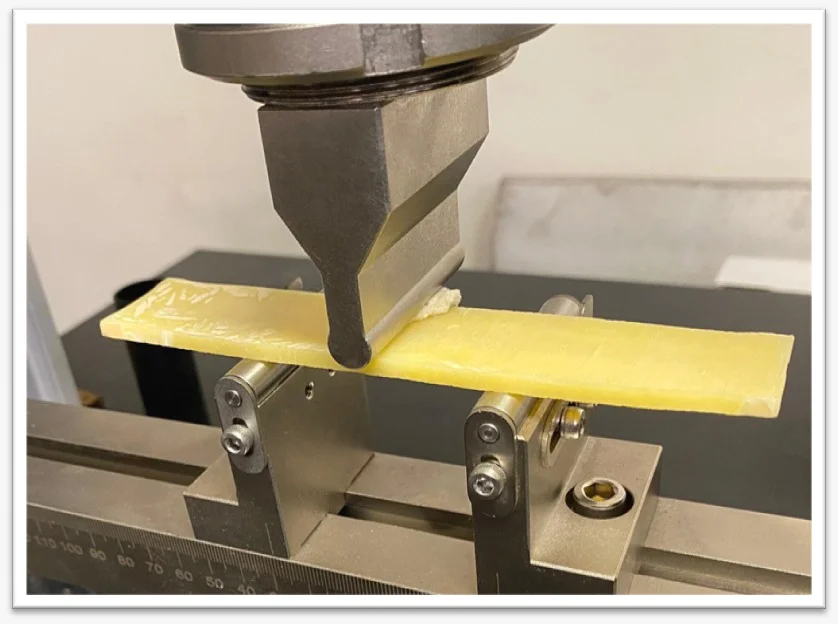
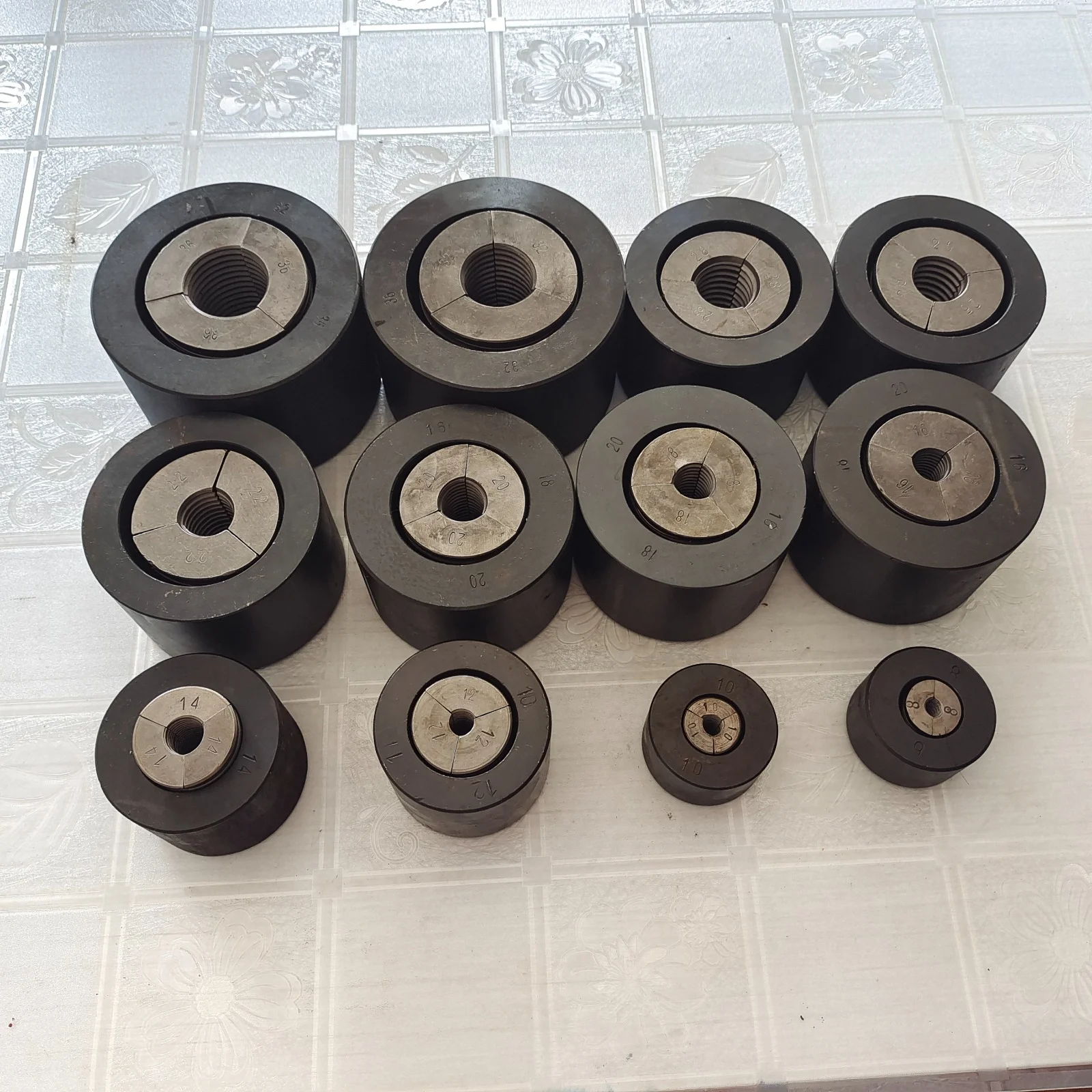
- Anchor Bolt / Stud / Bar Pull Testing (ASTM F606/F606M, ASTM E488/E488M)
Determine bending strength and ductility of materials subjected to flexural loading. 3-point bend tests are commonly used for metals, plastics, ceramics, and structural materials.
- Impact Testing (ASTM E23, ASTM D256)
Evaluate a material’s ability to absorb sudden impact energy and resist fracture.
- Charpy V-Notch Impact Testing (Only Perform for Plastics)
- Izod Impact Testing (ASTM D256) – Common for plastics and polymer materials.
Impact testing helps determine material toughness and resistance to brittle failure.
- 3-Point Bend Testing (ASTM E290, ASTM D790)
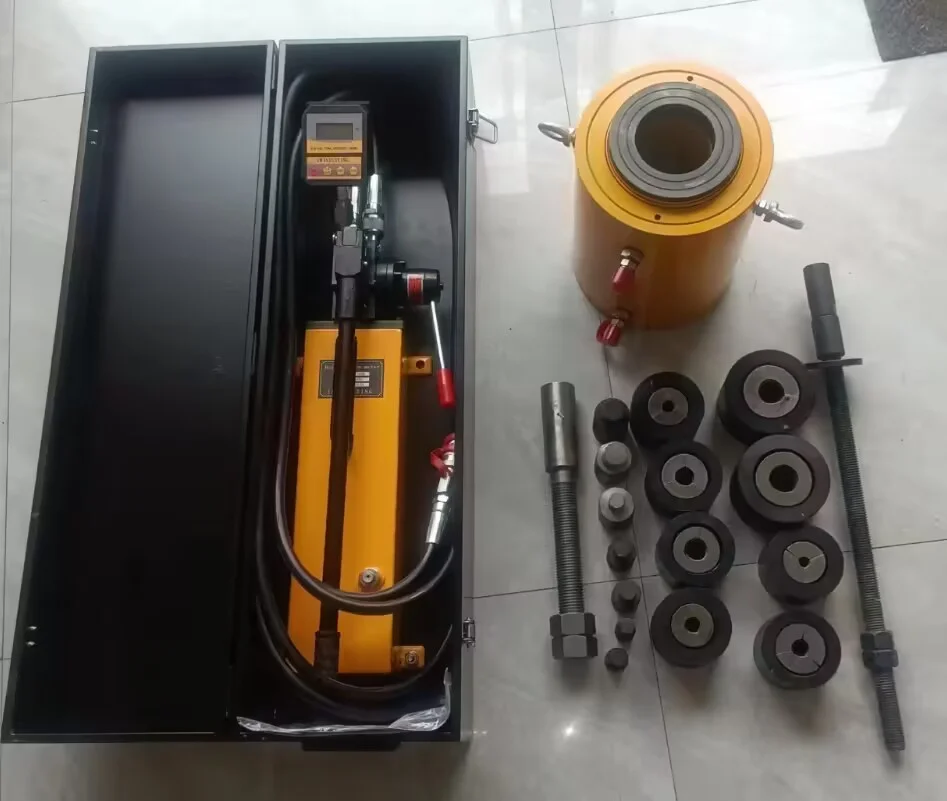
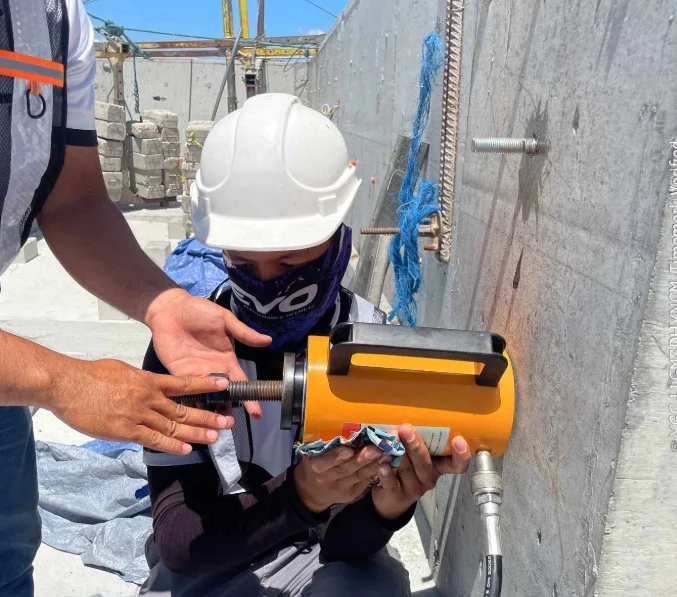
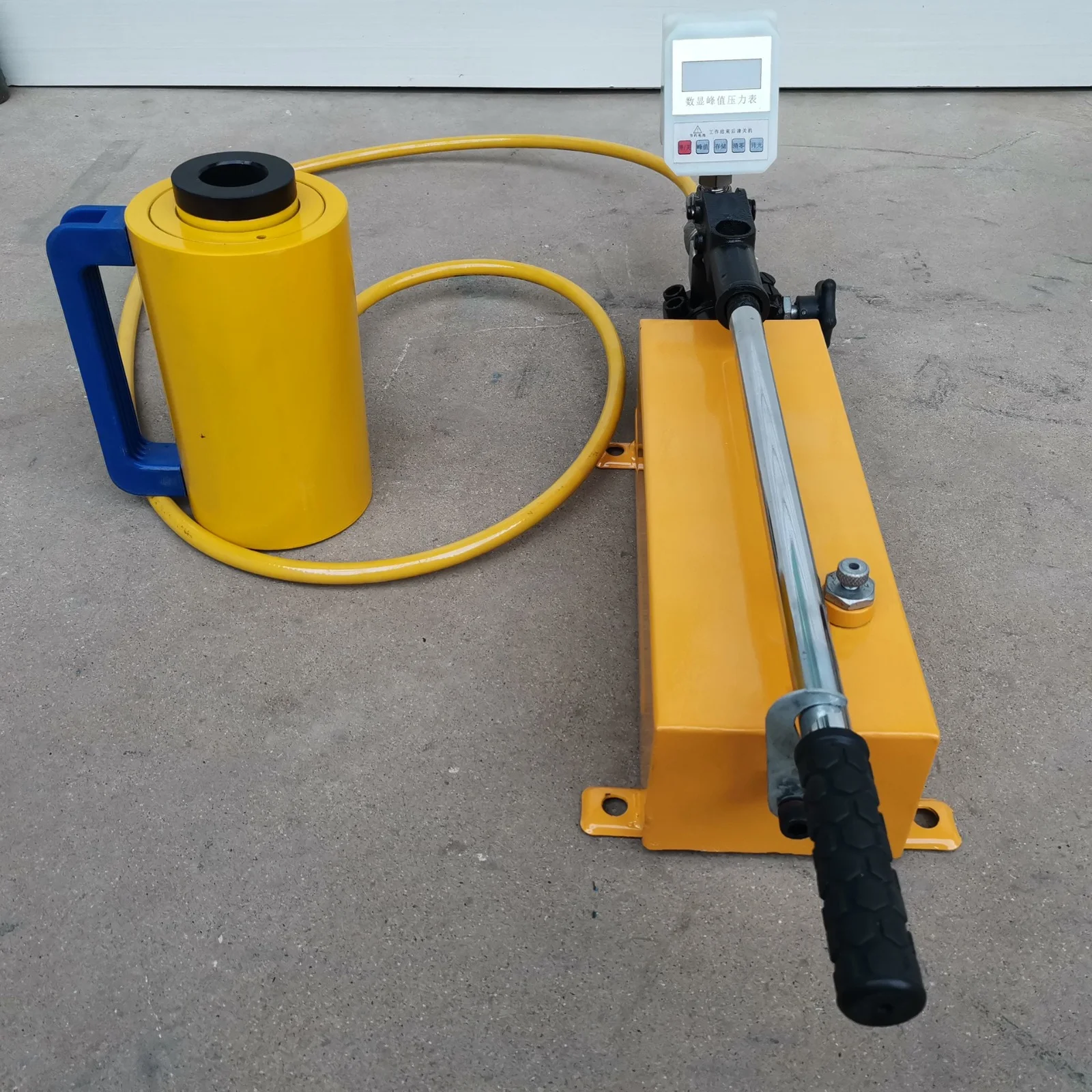
Evaluate pullout strength, tensile capacity, and anchoring performance of bolts, threaded rods, studs, and anchors installed in structural components or concrete. Commonly used in construction, structural engineering, and infrastructure applications.
- Surface Roughness Measurement (ASTM B46.1)
Surface texture measurement using stylus profilometers (contact profilometry) where a diamond or sapphire tip moves across the surface and converts vertical displacement into electrical signals.
This test evaluates surface roughness parameters such as Ra, Rz, and Rt and is commonly used for machined components, coatings, and precision surfaces.
Why Choose Our Mechanical Testing Lab
CMH Metlabs is a full-service chemical testing lab and metallurgy laboratory providing advanced metal analysis, mechanical testing, and NDT testing services for industrial, manufacturing, construction, aerospace, and energy sectors across Canada.
We combine technical expertise, modern instrumentation, and standards-based testing to deliver reliable, defensible results you can trust.
ISO-based
testing procedures and quality systems
Modern Machines
modern Universal Testing Machines (UTM) and precision instrumentation
Testing for
metals, plastics, elastomers, rubber, composites, and engineered materials
Fast turnaround
with defensible technical reports
Compliance with
ASTM, ISO, and industry specifications
Experienced
materials engineers and testing specialists
What Our Clients Say!
Trustindex verifies that the original source of the review is Google. Birla Carbon Hamilton worked with CMH for testing their boiler tube . CMH Metlabs issued a report for their testing. The report was good and covered all technical requirements. We will work with them in future.Trustindex verifies that the original source of the review is Google. CMH Metlabs did a number of chemical analysis for us over the last few weeks. The prices are good and the turn-around time was excellent. We needed some clarity on the results from the tests. The technical people at CMH responded quicky and our questions were answered. We discovered a couple of typos in the reports but it did not affect the over all accuracy of the report. We are looking forward to continuing our analyses with CMH.Trustindex verifies that the original source of the review is Google. I highly recommend this company. Their testing is very detailed and thorough.Trustindex verifies that the original source of the review is Google. Submitted metal sample for testing, obtained test results promptly and professionally. Highly Recommended.Trustindex verifies that the original source of the review is Google. The team at CMH Metlabs was very accommodating with our last-minute FTIR and TGA analysis request and turned the testing around in record time (Next business day when the original estimate was 5 working days). Fast and Precise results, very reasonably priced.Trustindex verifies that the original source of the review is Google. Service was prompt and professional. Thank you.Trustindex verifies that the original source of the review is Google. I received timely feedback and reliable results which was all that I wanted.Trustindex verifies that the original source of the review is Google. Very professional, thorough, reliable, and affordable. No need to look furthurTrustindex verifies that the original source of the review is Google. Great team to work with. Atta was very informative and provided useful advice regarding testing methods and protocols to aid with my investigation.Trustindex verifies that the original source of the review is Google. Great service throughout the entire process and detailed results in our final report.